Quick Tip

Here is a simple and easy fire starting kit that you can put together yourself. Get a lighter that is full of fluid. Next get 1-3 quick tinders or something similar like the zippo wax coated tinders. Now get a 1 1/2″ ranger band (bicycle tire inner tube cut into different size rubber bands). Wrap the ranger band around the lighter. Now just stuff the tinders under the ranger bands. You now have a simple, lightweight fire starting kit. If you use quick tinders, each one will burn for about two minutes. Also if you make this kit using a zippo lighter, the kit will be easier to use in high winds. If you make this simple modification to every lighter you own, you’ll never be stuck without a way to start a fire as long as you always carry one kit in your pocket. These kits are perfect for emergency/bug out bags.

Choosing a Backpack

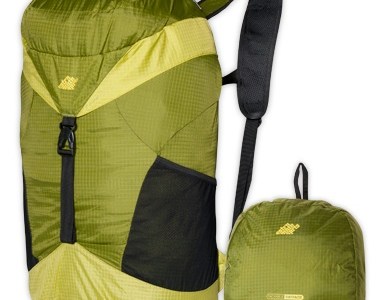
Choosing the right backpack for your needs can become very overwhelming quickly and seem like an impossible task. Many people don’t even think about what they actually need their pack to do, and just go to the local outdoors store or online store, cover their eyes and grab a pack and call it good. They never ask themselves any questions about what their intentions are with the pack they are intending on buying. Buying the right pack for the wrong use can be burdensome and frustrating to say the least. Here is a sample list of questions you should ask yourself before buying a new backpack.

Sample Backpack Questions

  • What is my intended use of the pack?
  • Will the pack be used for all four seasons?
  • How rugged does the pack have to be?
  • How well made does the pack need to be?
  • How much does the pack need to hold?
  • Do I want internal or external framing?
  • Does the pack need to be compatible with a hydration system?
  • How much weight am I putting in the pack?
  • What size pack do I need for my body size?
  • Do I want one big open compartment or a pack with sectioned off compartments?
  • How much use is the pack going to get? (be realistic, it could save you a lot of money)
  • What extras would you like the pack to have? (rain cover, gear attachments, extra pockets etc.)
  • Does the pack need a good padded hip strap and well padded shoulder straps?
  • Does the pack I’m trying out fit properly and comfortably across my shoulders and hips?
  • Is the pack made well enough to hold up to constant use?
  • What color pack do I want?

The very first thing you need to do is figure out what your intended use is for the backpack and then you can go from there. I recommend that you lay all your gear out ahead of time and see how much you really have to fit in the new backpack. Depending on how much you hike, camp, hunt or if you are just putting an emergency bag together you might just need multiple bags. For summer camping I like to backpack as light as possible so I use what most people would consider a daypack. This makes for easy long distance hiking and a really enjoyable time. For colder backpacking I use a bag made by Golite. It is still lighter than most packs out there but I can now carry the extra needed things. For my emergency/bug out bag I use a Rothco medium transport bag. It is much heavier and rugged but if I’m in an emergency situation I don’t want my bag to fail me. This works for me but it might not work for you. Each person has different needs in a pack. A rock climber is generally not going to be using the same pack as someone lightweight hiking and so on. If you take the time to figure out what your needs are ahead of time it will make your backpack shopping much easier and less of a headache. The best time to buy a pack is in the winter. In February-March you can find great deals online and in stores. Many stores are trying to get rid of last year’s models and make room for this year’s inventory. What do you use your pack for? Are you in need of a new or proper fitted pack? Do you maybe need multiple packs? One side note there are some manufacturers out there that do design packs specifically for women so that you’re not stuck with a pack that was really made for a man’s body type. Golite is one of those manufacturers. I know many of us are looking forward to spring with much anticipation. Now is the time to get all of your gear out and check it over, give it a wash if needed and replace anything that needs replacing. Heres to warmer weather, beautiful greenery and wonderful memories made on the trail!

Ultimate Survival Kit

I don’t want to state that this is a review of the Ultimate Survival Kit simply because I designed it and would of course be biased in the reviewing of it. So think of this as more of an informational piece letting you know that this kit exists.

A few years ago I set out to try to buy a survival kit that had everything I needed it to have, was compact and light, not half full of useless junk and had good quality items in it. What I found in searching around online and at local stores was that either survival kits were incomplete, half full of useless junk that I wouldn’t trust with my life (to keep the price down) or highly overpriced for an incomplete kit. Because of this, I decided to put my own kit together that incorporated products that were the best on the market, a kit that is very versatile, reasonably priced and full of things I would trust with my life. So the Ultimate Kit was born.

The first thing I decided right away was that I wanted everything to fit inside an Otterbox. These cases are awesome and help make the kit very versatile. They float, are water proof and are crush proof. What better case to use for a survival kit that you need to trust with your life! Next, I decided that I wanted a couple of options for starting fires as well as some tinder, a signaling device, an emergency blanket, a good quality pocket knife, an emergency fishing kit, a compass, a small saw, a light, an emergency whistle and some way of filtering or purifying water.

So I sat down and scoured the internet, read a lot of reviews, tested different items out and tried to design the kit so that it would fit in the smallest Otterbox that I could. What I came up with, and sell on my website is the very same kit that I now carry with me when I head out into the wilderness. Whether I am kayaking, backpacking, camping, hunting or anything else outdoors I always carry this survival kit with me. I also have one of these kits in my emergency bag/bug out bag. You can’t beat its quality and strength for a small survival kit. Here is the info I have on my website pertaining to the Ultimate Survival Kit:

“Our Ultimate Survival Kit is the perfect kit to carry with you on any outdoor adventure! It only weighs in at 1.5 pounds! It was designed to be as compact as possible, yet be able to float, be strong and contain most of what you would need in a survival situation. We feel we’ve accomplished this!

This Survival Kit contains: an orange emergency blanket, a StarFlash mirror, a Pocket Chainsaw, a “pico” style light, 12 Industrial Revolution Stormproof Matches, a 4seasons Spark Lite with 10 Tinder-Quik fire starters, a Jetscream whistle, one of our Survival Pods (20feet of 20lb test fishing line, 2 hooks, 2 swivels and 2 weights), a pin on compass, a Gerber mini paraframe pocket knife, a Frontier Filter (water filter straw) and its all contained in an Otterbox 3000. There’s even room to fit your favorite bag of tea and a small piece of hard candy or stick of gum. You can take it camping, hiking, boating, fishing and hunting as well as any other outdoor activity where you would find it useful and may need a tough survival kit handy. This is the same kit we here at Armstrong Survival Gear trust our lives with when we go on an outdoor adventure, shouldn’t you?”

Again my goal was to create a good quality survival kit that did not incorporate any junk products just to keep the price down. I think quality and usability matters more. This kit is designed as a survival kit not a first aid kit. You can fit some band aids as well as antiseptic wipes inside the case for minor injuries if you would like. What kind of basic survival kit do you carry and use? Have you tested the contents of your survival kit? No matter what survival kit you carry, whether bought premade or put together yourself, make sure to test all of the contents to make sure you are familiar with how they work, they work like you expect them to and that nothing is defective.

Extra Tip: I wrap 550 para cord around my kit so that I always have good quality cordage with my survival kit.

Emergency Blanket

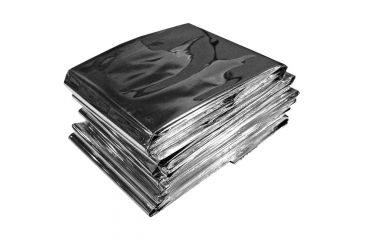
An emergency blanket is one of the lightest and easiest things that you can carry with you at all times and could possibly mean the difference between life and death. There are many manufacturers that make and sell some version of an emergency blanket. Like anything, whichever brand of emergency blanket that you buy, test it out before your life depends on it. Some emergency blankets are silver, some are orange and some are designed to be more like a sleeping bag. Here again it will come down to personal preference. The emergency bivy’s are a little too bulky to be able to carry easily in your pocket, which means you might not even bother carrying it, which in turn  won’t help you in the end if you need it but left it home.

There are many stories of survivors who survived a cold night stuck in the wilderness only because they had one of these emergency blankets. Emergency blankets reflect a huge amount of your body heat back onto your body and can help keep you from becoming hypothermic in cold weather conditions. These blankets can also be used to keep you dry in wet weather. You can either wrap yourself up in it or you can use it like a tarp to make a makeshift shelter. Be careful if you do try to use it as a tarp because emergency blankets are much more fragile than tarps. Tying an emergency blanket too tightly or using it as a tarp in high winds could cause it to tear.

Another option is to find some wood and kindling for a fire. Then find yourself a good tree that you can comfortable sit and lean against. Sit down and spread your legs and dig a small pit in the ground for a fire in the area between your legs. Build a bank around the pit, to protect your legs, with the dirt you dug out of the hole. Now build a little fire in the pit and keep the rest of the wood in arms reach. Sit there with your emergency blanket wrapped around your body and create a sort of funnel over the fire and allow the heat from the small fire to rise up inside the blanket. Smoke will come inside as well but will escape through the hole around your neck. Just make sure it’s not so bad that all you are breathing is smoke. You can use a small stick to help keep the blanket spread out over the fire as well as keeping it up high enough that it doesn’t melt. You want a very small fire, it won’t take much. You must be very careful if you choose this option but it can help you stay somewhat warm and help you survive a cold night stuck in the wilderness.

Anytime you head out into the wilderness it is worth putting an emergency blanket in your pocket especially if you plan on just hiking for a few hours or just going out on a day hike. These are often times when injuries happen or someone gets lost and can’t find their way. This is also the time when people are not prepared to spend a night in the woods. They usually are not carrying any form of shelter or sleeping bag. In the spring and fall this could become life threatening because temperatures at night could still drop very low causing hypothermia. So for what little an emergency blanket weights why not carry one in your pocket to help protect yourself in an emergency survival situation? It may just end up saving your life!

Trail Food: Dinners

These are just a few of the meal options I use for dinners when I’m backpacking. These meals are very versatile and can be adjusted to your tastes and needs. I adjust my serving portions based on whether I am going to be exerting a lot of energy hiking or if I am going to be staying around camp and spending more time fishing. Generally you are going to want to be taking in more calories if you are hiking all day long.

Meal 1: Hearty

1-2 servings of Instant Potatoes (You will need to add powdered milk as well)

½-1 cup of Dehydrated Vegetables

Dehydrated Meat or Tuna Fish Pouch

Butter Packet (optional)

Just add to hot water when you’re ready eat

*Write how much water you are going to need for the meal, on the baggy when you package it

Meal 2: Soup

1-2 cups of Dehydrated Vegetables

Chunks of Dehydrated Meat or TVP for Vegetarians

Any seasonings or spices you would like

Add to plenty of water to make it more of a soup consistency

* You can also add chunks of potato to make it more like a stew (carry a fresh potato) or Rice

*If I have any dinner rolls left I like to eat one with my soup

Meal 3: Sweet and Sour Chicken and Rice

1-2 servings of instant rice, cous cous or some sort of grain (I prefer Brown Rice)

Some Dehydrated Chicken or TVP

½-1 cup Dehydrated Vegetables

1-2 Sauce Packets (sweet and sour, soy sauce etc.)

Add to hot water when ready to eat

These are just some basic recipes to give you a basis with which to start making your own trail dinners. Think of these recipes as a launching point. You can adjust them and vary the recipes in many ways. You can add different meats, vegetables and spices or sauces to make for many different meals. You can also add arrowroot (healthier than corn starch) to your soup to make it thicker for more of a stew consistency. Test these recipes out and have fun adjusting them to your tastes. All my meals are interchangeable, meaning that sometimes I might use a breakfast meal for lunch or dinner or I might use a lunch for breakfast or dinner etc. Have fun with your meals and make them flavorful. You don’t have to eat bland boring food just because you are not in a kitchen. What kind of homemade trail meals do you use? Have you ever put together you own meals for backpacking/camping? I suggest testing any homemade recipes out ahead of time. It’s easier to make any adjustments that need to be made, at home, than it is on the trail. If you work out all of the bugs ahead of time, you’ll end up with easy, healthy, tasty, homemade trail meals that you made yourself.

550 Para Cord 101

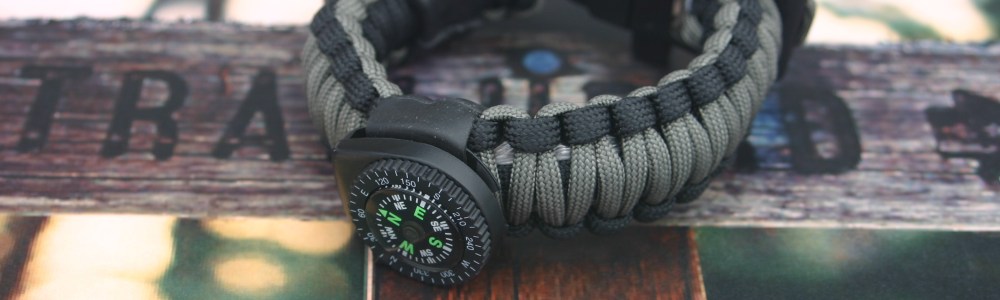
In the last 3-5 years 550 para cord has gained mainstream popularity. With a lot of survival gear designed out of 550 cord or incorporating 550 cord somehow, a lot more people are carrying it. Since the invention of 550 cord, which was originally made for and used in parachutes for the military, many outdoor enthusiasts have carried this cord for building shelters, lashing things together as well as many other things. Many people that were familiar with its strength have always kept some in their garage as well. 550 Cord is useful for so many applications that it is considered the duct tape of cordage. It wasn’t until “survival bracelets” became popular and became very fashionable, that many people became familiar with this type of cord. Many veterans that were familiar with 550 para cord because of their military service continued to carry and use 550 cord after they left the military just because of its usefulness.

I as well as many others have always carried some 550 cord in their packs well outdoors. 550 para cord is great because it is made of a synthetic material (nylon or polyester) and because of that it does not rot or mildew. This is great for water applications. Since I like to Kayak it’s great to be able to not worry about my cordage deteriorating because of water contact. 550 cord is affected by UV rays and will weaken with prolonged exposure to the sun. Dirt and oils, like the oils from your skin do affect synthetic materials as well. That is why climbers take very good care of their robes. After each climb they are washed, dried and stored in a dark place. This helps any synthetic cordage to last longer. I’m not telling you that you have to wash your para cord bracelet every time you wear it but remember the dirtier and older it is the higher the chance the cord will not be as strong when you use it. You also want to be careful around open flames or intense heat because 550 cord will melt. That is one of its weaknesses.

If you are buying 550 cord or any gear made out of 550 cord make sure that it says that it is made in America. All of the American cord is tested to meet the 550 lb limit and some of the cord even surpasses 550 lbs. The stuff coming from china is not tested to meet the 550 lb limit even though it is labeled as 550 cord. One of the local companies that I order my 550 cord from, they make 550 cord for our military, has tested Chinese para cord and most of it is failing around 150-200 lbs. You can use this cord if you want but don’t expect it to hold 550 lbs.

The great thing about 550 para cord is that, say you only have a two foot piece of cord, you can take that short piece, cut the melted ends and pull the seven inner strands out and now you have eight cords, two feet long. You will now have enough cord to tie the frame of a shelter together. You can also take one of the inner strands that you just took out of the outer sheath and unwind it so that it can be used for fishing line. There are tons of uses for 550 para cord. Here are just a few:

Making a Shelter                                              Attaching gear

Fishing Line                                                         Snares

Knife Lanyards                                                  Neck Lanyards

Bow Drill                                                              Shoe Laces

Making a Hammock                                        Fishing Lure

Lashing a Knife to a Spear                             Hanging Things around Camp

Tourniquet                                                         Gun Slings

Belts                                                                      Repairing Failed Gear

Equipment Handles                                        Color Coding Gear


I could go on and on about how useful 550 para cord is and all of its many uses but I’ll stop here.  550 cord will only be limited by your problem solving skills and or imagination. If you do not have or are not using 550 para cord I suggest that you get some and keep it in your bug out bag, backpacking bag, hunting bag, garage or anyplace you may be able to use it. I always carry 100 feet of cord in my backpack no matter what I’m doing. It is to useful not to have some on me at all times. What things do you use 550 cord for? Are you familiar with its strengths and weaknesses? All of the 550 cord gear in my store is made in America by Americans out of American made parts. You don’t have to buy from me but make sure you are buying quality para cord gear that is made in America out of American made parts.

Hennesy Hammock Review

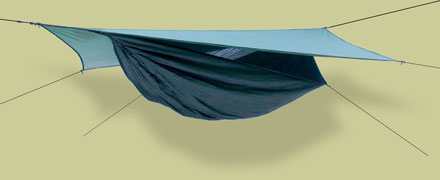
This is just a quick review for an Expedition Asym Classic Hennesy Hammock. I have had this hammock for about four years now. First off, if you want one, this is the time of year to order one. They are generally on sale and giving extras away as well. When I ordered mine I got a free set of snake skins, which come in very handy and free shipping. I also ordered the larger rain fly. I use the smaller rain fly with an ENO Nest Hammock for my son. I wanted the larger rain fly so that gear I left on the ground under the hammock wouldn’t get wet. Mostly just my shoes, I usually clip my bag onto the ridge line.

I love this hammock. It is much easier to get into than standard hammocks and the Velcro entrance closes right up once you are inside. It is so much more comfortable than laying on the ground and it is fairly quick to setup. It will take you a few times setting it up before you’ll have the process down. The other nice advantage to a hammock over a tent is that if it is pouring out, chances are you’ll stay drier in the hammock than you will in a tent.

Another good quality about this hammock is that the mosquito netting is sewn on, so there are no holes for the blood suckers to get through. There is also a nice pouch hanging from the ridge on the inside of the hammock which is great for flashlights, glasses and other small things you may need quickly or want within reach.

My hammock has held up well and I haven’t really had any problems with it at all. The only downside to this setup is that it is still heavier than the setup I use for my son which I also use when I want to backpack as light as possible. The Hennesy hammock is still lighter than most tents and a whole lot more comfortable and easier to pack. It also has the mosquito netting for bug protection. Here are the specs for the hammock I bought as well as the information from Hennesy hammocks website:


Classic bottom entry with velcro closure.

This is our most popular model with all our patented features including mesh pocket on ridgeline and webbing straps to protect the bark of trees.  New asymmetrical shape and 30% larger rainfly than the Scout model.  New 70D catenary cut rainfly to reduce weight and wrinkles.  This is an all-purpose hammock – great for backpacking, family camping, expeditions, kayaking, motorcycling, and any other purpose which requires comfort and durability at an affordable price.

Specifications

Height limit: 6′ tall / 180 cm

Weight limit: 250 lbs / 115 kg

Packed Weight: 2 lbs 9 oz / 1160 g

Packed Size: 4″ x 7″ x 9″

Hammock fabric: 210D Oxford nylon

Hammock dimensions: 100″ x 52″‘ (diagonal)

Mesh: 30D polyester No-See-Um netting

Suspending ropes: 10′ long 1600 lb. test polyester rope

Webbing straps: 1.5″ x 42″ long black polyester

Rainfly weight: 10 oz / 280 g

Rainfly fabric: 70D polyurethane coated polyester ripstop

Rainfly dimensions: Parallelogram 63″ X 99″ / 160cm X 252cm Diagonal length above ridgeline 132″ / 335cm

Color: Hunter green hammock with hunter green fly and black trim

Stuff Sack: Logo and set up instructions printed on ripstop polyester bag (18 g., 5/8 oz.)

What’s Included: All Hennessy Hammocks come complete with attached mosquito netting, detachable rain fly, support ropes, and stuff sack with set up instructions on back. Hennessy Hammock also provides complimentary standard 42″ long “Tree Hugger” webbing straps to protect the bark of trees. Because these accessory webbing straps are complimentary, they are weighed separately from the hammock.


If you would like to just buy a complete hammock setup, then I highly recommend Hennesy Hammocks. You can’t go wrong.  They do have lighter weight packages but I didn’t want to spend the extra money. Have you ever used a Hennesy Hammock or any hammock for backpacking or camping? If you have used Hennesy Hammocks, have you had any problems with your setup? I hope this review was helpful. If you have never tried using a hammock for camping or backpacking I recommend you try it. You may never use a tent again.

Trail Recipes: Lunches

I’ll start off by saying that these are just a few lunch ideas that I use. These are not my only lunch “recipes” but may give you some extra ideas for your own trail lunches. In general I don’t like to stop for too long a period of time when I’m stopping for lunch. Because of that I try to eat something that doesn’t need to be warmed up or cooked unless it is going to be cold and I know in advance that I will want something to warm me up.

For quick lunches I like to pack homemade flour tortillas or homemade dinner rolls. I keep these at the top of my bag so that they don’t get crushed. Bread products do actually last for awhile on the trail. It just depends on how hot it is going to be. I then pack peanut butter packets, jelly packets and sometimes some honey. The honey is also great to have to sweeten your tea at night or possibly coffee. I squeeze these onto a roll or tortilla shell and I’ve got a sandwich. This way I can also keep hiking well eating if I would like. I bring a small baggy to place the used packets of peanut butter, jelly and honey in so I don’t end up with a mess in my pack. Sometimes I will also bring tuna fish that is in the pouches and mayonnaise packets so that I can make a tuna fish sandwich. Here are the recipes for the tortilla shells and dinner rolls I use.


DINNER ROLLS

3 ½ to 3 ¾ cups all-purpose or bread flour

¼ cup sugar

¼ cup butter, softened

1 teaspoon salt

1 package regular or quick active dry yeast (2 1/4 teaspoons)

½ cup very warm water (120-130 degrees)

½ cup very warm milk (120-130 degrees)

1 large egg


1) Mix 2 cups of the flour, the sugar, ¼ cup butter, salt, and yeast in a large bowl. Add warm water and warm milk and egg. Beat with electric mixer on low speed 1 minute, scraping bowl frequently. Beat on medium speed 1 minute, scraping bowl frequently. Stir in enough remaining flour to make dough easy to handle.

2) Place dough on lightly floured surface. Knead about 5 minutes or until dough is smooth and springy. Place dough in large bowl greased with shortening, turning dough to grease all sides. Cover bowl loosely with plastic wrap and let rise in a warm place about 1 hour or until double. Dough is ready if indentation remains when touched.

3) Grease rectangular pan, 13x9x2 inches, with shortening.

4) Gently push fist into dough to deflate. Divide dough into 15 equal pieces. Shape each piece into a ball; place in pan. Brush with butter. Cover loosely with plastic wrap and let rise in warm place about 30 minutes or until double.

5) Heat oven to 375 degrees.

6) Bake 12-15 minutes or until golden brown. Serve warm or cool.


FLOUR TORTILLAS

4 cups all-purpose flour, plus additional for the counter

2 teaspoons salt

1 teaspoon baking powder

2 Tablespoons unsalted butter, cut into 1/2 –inch pieces

4 Tablespoons nonhydrogenated vegetable shortening or lard, cut into ½-inch pieces


1) Combine the flour, salt, and baking powder in a large mixing bowl. Add the butter and shortening, and rub them into the flour mixture with your hands until you have pea-size lumps. Slowly add 1 ½ cups of warm water to the mixture, tossing with your hands as you go. Add an additional 1 tablespoon of water at a time (but don’t use more than 4 additional tablespoons) until you have a slightly sticky dough. Lay a clean, damp dish towel over the bowl. Let the dough rest for 10 minutes.


2) Flour the counter and divide the dough into 16 balls, each about 3 inches in diameter. Cover the balls with the damp towel and let rest for 5 minutes. Start heating a dry skillet on the stove over medium-high heat. (If you have two skillets, use them both.)


3) Use the rolling pin to roll out your first tortilla to 8 inches in diameter and 1/16 inch thick. Put it in the skillet and cook for 1 minute on each side, or until it is bubbly and starting to brown. Use the spatula to remove the tortilla from the pan. Repeat with the other balls of dough. Serve immediately or store covered, in a warm oven or under a warm, damp cloth until ready to serve.

For a warm meal I take a Ziploc bag and place 1-2 servings of instant potatoes in it. Then I add enough powdered milk to cover the needed milk for the instant potatoes (dependant on how many servings of instant potatoes you use). If you want butter in the potatoes just bring some butter packets to use. Now just add some dehydrated vegetables and some dehydrated meat of your choosing (or maybe TVP if you are vegetarian) and you’re all set. Just add to some hot water and allow it to sit for 5-10 minutes and you’ve got a wonderful warm lunch. I also use this for my dinners once in awhile.

Feel free to use these recipes or come up with your own but just know that you are not stuck having to buy trail food from your local sporting goods store. I do use mountain house meals once in awhile but I can’t imagine the cost of eating those strictly well on long hikes and they are generally full of sodium. I like to save money and I rather enjoy putting my own healthier meals together. I hope this post helps encourage you to come up with your own trail meals instead of settling for prepackaged. What meals do you make for lunch well on the trail?

Quick Tip #3

For an easy fire starting kit place a small lighter (like a bic minny) and a tea light candle in a baggy or plastic wrap. Just stick the kit in your bag or pocket. When you’re ready to start a fire just grab some kindling, larger sticks and some small logs or thicker sticks. Now just set the candle down and light it with the lighter and start adding kindling and then twigs. As the fire starts to get going add sticks until you have the desired size fire. The candle is great because it has a long burning time which gives you plenty of time to get a fire going. This is a great starter fire kit for those just starting out learning how to start simple fires. This kit will give you a better chance at not failing to start a fire. This is just one of many ways of starting a fire. Try to practice and learn as many different ways as possible to start a fire. The more skills you learn and know, the better off and safer you’ll be in the wilderness.

Clothing Materials of Choice

I will start off by saying that these are my personal preferences and they have worked well for me thus far. I know that everybody has their own personal preferences when it comes to outdoor clothing, I just wanted to put my two cents in. I hope it’s at least worth that much!

For winter hiking and hunting I like to start with a base layer preferably made of wool, synthetic if I have to. Good quality wool socks as well. Then I do wear heavy duty tactical style pants that are made of 100% cotton or 50/50 cotton/poly blend. All of the tactical pants on the market have cotton in them unless you buy lightweight nylon hiking pants or gore tex pants. I find it funny to hear guys saying all the time to never wear denim jeans (which I wouldn’t) or cotton pants but then recommend all these tactical pants that are made of some part cotton. It’s as if they never looked at the labels. I know everybody says cotton kills and to stay away from it but there is a use for cotton in the outdoors community if used properly and as long as you are familiar with its limitations. I try to never put myself in a situation where I end up wet but if my pants became soaked I could just take them off and dry them over a fire well still wearing my base layer of wool.  I wear a flannel shirt and then a good quality wool coat. I love wool for the fact that it still insulates when wet (it does lose some insulation value once wet), it is antimicrobial and it does not stain or hold dirt that I am aware of or that I’ve been able to tell. Also you don’t have to worry about sparks or flames from a fire like you do with synthetic materials.

I do use synthetic clothing for some things but the older I get the more that I am tending to use them less. Yes they tend to be lighter and pack smaller but have you smelled your under armor shirt after a day of hiking on a warm summer day. It’s not good.

For summer I wear nylon hiking pants. I wear hiking pants all year long just because I’ve never really been into wearing shorts a whole lot. That’s just me. One thing I wish somebody would make is ripstop nylon hiking pants. For the life of me I can’t find anybody that does and I’m thinking of contacting a seamstress to have some specially made for me and my sons. I carry an under armor base layer but either wear a cotton shirt or light polyester button up hiking shirt well hiking during the day. This way at the end of the day when I’m not working hard and sweating, I can change into the synthetic clothing for warmth well giving the cotton shirt a chance to dry out.  I can also wear the base layers on rainy days instead of having a soaking wet cotton shirt. I plan ahead for the limitations of wearing any cotton clothing. Again this is just my preference and I am aware of cottons limits. I just got sick and tired of the smell of my under armor shirts. Don’t get me wrong I do love under armor. I only use their name because everyone is familiar with their products and that’s just what I own. There are cheaper brands out there as well, obviously.

Depending on the season and the weather where I’m going to be hiking my clothing choices do change. I do own a lot of synthetic clothing and do highly recommend some of it but I think many people have just gone a little crazy with the cotton kills statement or death cloth, whichever you prefer. I just think everybody needs to take another look at natural materials as well. We all know nothing beats a down sleeping bag or quality wool blanket. Yes they may weigh a little more or not pack down quite as much but they are worth using to me. I would never head out into the wilderness wearing all cotton and don’t recommend it to anybody but I do wear some and take the necessary precautions in case it might get wet. Just like any gear you might carry or use, learn how to use it properly and learn its strengths and limitations.  What natural materials do you use? Do you “dare” to wear cotton? All my years in the construction industry, all we wore for warmth in the winter were carhartt jackets and overalls. Guess what they are made of? Yup that’s right.