550 Para Cord 101

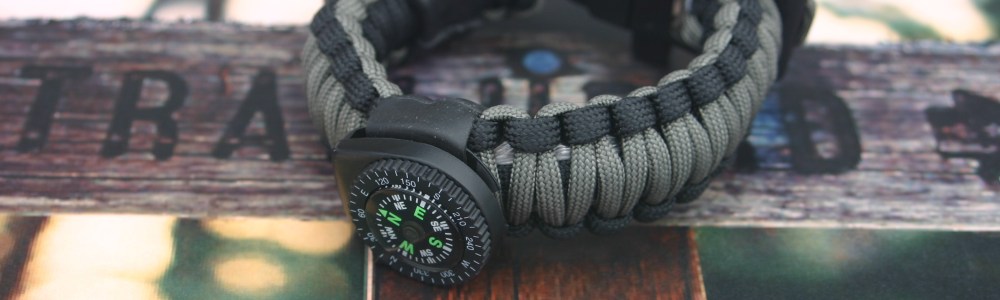
In the last 3-5 years 550 para cord has gained mainstream popularity. With a lot of survival gear designed out of 550 cord or incorporating 550 cord somehow, a lot more people are carrying it. Since the invention of 550 cord, which was originally made for and used in parachutes for the military, many outdoor enthusiasts have carried this cord for building shelters, lashing things together as well as many other things. Many people that were familiar with its strength have always kept some in their garage as well. 550 Cord is useful for so many applications that it is considered the duct tape of cordage. It wasn’t until “survival bracelets” became popular and became very fashionable, that many people became familiar with this type of cord. Many veterans that were familiar with 550 para cord because of their military service continued to carry and use 550 cord after they left the military just because of its usefulness.

I as well as many others have always carried some 550 cord in their packs well outdoors. 550 para cord is great because it is made of a synthetic material (nylon or polyester) and because of that it does not rot or mildew. This is great for water applications. Since I like to Kayak it’s great to be able to not worry about my cordage deteriorating because of water contact. 550 cord is affected by UV rays and will weaken with prolonged exposure to the sun. Dirt and oils, like the oils from your skin do affect synthetic materials as well. That is why climbers take very good care of their robes. After each climb they are washed, dried and stored in a dark place. This helps any synthetic cordage to last longer. I’m not telling you that you have to wash your para cord bracelet every time you wear it but remember the dirtier and older it is the higher the chance the cord will not be as strong when you use it. You also want to be careful around open flames or intense heat because 550 cord will melt. That is one of its weaknesses.

If you are buying 550 cord or any gear made out of 550 cord make sure that it says that it is made in America. All of the American cord is tested to meet the 550 lb limit and some of the cord even surpasses 550 lbs. The stuff coming from china is not tested to meet the 550 lb limit even though it is labeled as 550 cord. One of the local companies that I order my 550 cord from, they make 550 cord for our military, has tested Chinese para cord and most of it is failing around 150-200 lbs. You can use this cord if you want but don’t expect it to hold 550 lbs.

The great thing about 550 para cord is that, say you only have a two foot piece of cord, you can take that short piece, cut the melted ends and pull the seven inner strands out and now you have eight cords, two feet long. You will now have enough cord to tie the frame of a shelter together. You can also take one of the inner strands that you just took out of the outer sheath and unwind it so that it can be used for fishing line. There are tons of uses for 550 para cord. Here are just a few:

Making a Shelter                                              Attaching gear

Fishing Line                                                         Snares

Knife Lanyards                                                  Neck Lanyards

Bow Drill                                                              Shoe Laces

Making a Hammock                                        Fishing Lure

Lashing a Knife to a Spear                             Hanging Things around Camp

Tourniquet                                                         Gun Slings

Belts                                                                      Repairing Failed Gear

Equipment Handles                                        Color Coding Gear


I could go on and on about how useful 550 para cord is and all of its many uses but I’ll stop here.  550 cord will only be limited by your problem solving skills and or imagination. If you do not have or are not using 550 para cord I suggest that you get some and keep it in your bug out bag, backpacking bag, hunting bag, garage or anyplace you may be able to use it. I always carry 100 feet of cord in my backpack no matter what I’m doing. It is to useful not to have some on me at all times. What things do you use 550 cord for? Are you familiar with its strengths and weaknesses? All of the 550 cord gear in my store is made in America by Americans out of American made parts. You don’t have to buy from me but make sure you are buying quality para cord gear that is made in America out of American made parts.
Starting an Emergency Bag: Part III

This will be the last part of this series on building an emergency bag/bug out bag. At a later time I will review my emergency bag and give you a look inside to see what all I carry and why. I just want to touch on some other things that you might want to add to your emergency bag depending on your situation and needs.

Some simple things that you could add to your bag or each bag if you have a family (each person should have their own emergency bag). Hard candy, like Jolly Ranchers, or even gum are a great addition to any emergency bag. They help both you and your children mentally. You won’t be as apt to think about aches and pains or even complain as much. You can also use these candies to barter for other things you may need.

At some point your food will run out and you may need to forage or hunt, so it is a good idea to have some way of catching game. There are many options for this. You can carry some simple snares in your bag to be able to catch small game. A pump action BB handgun is also great for small game because it is quiet and can be pumped to high pressures. Another option for many is carrying a takedown survival riffle that can fit nicely in the bag or a larger rifle or shotgun. These serve a dual purpose; they can be used for hunting or for personal protection (should only be as a last resort). By using a gun you are going to giveaway your location and attract attention so I highly recommend finding quiet ways to catch game and avoid conflict with others as much as possible. Give whomever you may be having trouble with a piece of your candy and try to walk away. Most people will accept the kind jester and walk away. A really simple easy way to catch small game is by carrying a simple rat trap. They are easier to set than snares and work great for a lot of small game. Tape a peanut butter packet to the trap so that you will already have some bait. Some people carry sling shots as well as cut down arrows to use with the sling shot. It is totally up to you if you would like to add any of these things to your emergency bag. These are just some of the things some people choose to add to their bag.

Here is a list of some other things you may want to add to your bag:

100’ of 550 Para Cord (must have)                            Duct Tape (must have)

Poncho                                                                                 Lightweight Sleeping Bag or Emergency Bivy

Dust mask                                                                           Eye Protection

Work Gloves (protect your hands)                           Weather Radio

Extra Pair of Socks                                                           Zippo Lighter

Mosquito Netting                                                            Cash (small denominations)

Walking Stick                                                                      Extra Tarp

Machete                                                                              Hatchet or Axe

Toilet Bag (small hand shovel and toilet paper stored inside a diddy bag)

Everclear or moonshine (good antiseptic and great for bartering)

Copy of all Important Documents in a Ziploc Bag

Cigarettes or anything else that is good for bartering


I want to stress that these are all just some ideas of things you may or may not want to carry. It is totally up to you what goes into your emergency bag. Your emergency bag can be as heavy or as light as you want it to be. I want to restate that I highly recommend learning different survival/bushcraft skills and relying on them instead of gear that may fail, get lost or stolen. Learn to adapt and problem solve. Learn to think “outside of the box”.  Your goal is to survive an emergency situation or natural disaster and avoid conflict. Learn to walk away or avoid conflict. Nothing, not even your pride, is worth putting your life or the life of your family in danger.

Once you have an emergency bag put together I recommend that you field test it. Go into the wilderness for a weekend or longer and test all of your gear and see what holds up and is useful and what isn’t. Make sure you are able to walk long distances with your bag on your back. If you can’t, you’re going to have to lighten the load. The last thing you want is a back injury or to be slowed way down because of a heavy bag. I would recommend trying to keep your bag weight at 35 lbs or less. Most People can carry this much weight unless they have back problems. Children will also need a bag that weighs much less. I hope these last few posts were helpful and inspired you the put together an emergency bag. With all the natural disasters we have had lately, it is a good idea for everyone to have some sort of emergency bag. You never know when you might have to leave your home at a moment’s notice and it will be much easier if you are able to just grab a prepared bag and walk out the door than to try to survive with just the clothes on your back. What extra things do you carry in your bag? Do you know what your bag weighs?

Starting an Emergency Bag: Part II

Today I would like to continue talking about some things that you might want to add to your emergency bag as you begin to put one together. I would like to stress that you want to keep this bag as simple as possible. You are not trying to survive for years or even months out of this one bag. Yes with the right skills, knowledge and gear someone could survive for a prolonged period of time with just this one bag no problem, the average person will not be able to. So let us move on with the thought of keeping your emergency bag as simple as possible.

You should now think about adding a basic first aid kit. You want to be able to take care of minor injuries like cuts, scrapes, stings, insect bites, headaches, stomach issues as well as any other minor problems. You are not preparing to do major surgery here, nor do you have the room to place everything you would need to do surgery in your emergency bag. Again keep it simple. Think about your medicine cabinet at home. If you can, you should add in any medications you may need. There are many quality first aid kits available on the market. If you buy a premade first aid kit, make sure the bag or case that it is housed in has room to spare. You will want to customize it to your needs. You can also put your own kit together from scratch. Sometimes it is cheaper and easier to start with a basic kit and then adjust it to your needs.

Next you are going to want to look into purchasing, repurposing or making a stove setup. There are many types on the market and there are many different types of stoves you can make by recycling tin cans. I don’t have the time to get into all of them now. Maybe on a future post I’ll compare different stoves and their benefits and weaknesses. I have made and used rocket stoves and other homemade stoves by recycling materials but I always end up going back to my MSR pocket stove. I love this stove because it is small and lightweight. It also came with a titanium pot with a lid so I am now all set with my cook set as well. The pot is the perfect size for one of the fuel canisters to fit right inside with the lid closed. To me this makes the perfect kit. I just add a CRKT eat N’ Tool and I’m all set for cooking and eating quickly on the go. This setup makes it easy to cook or heat water quickly and doesn’t really make any smoke that I’ve seen anyway. As soon as I turn the stove on I’m good to start cooking or heating water right away. You can adjust the flame really easily as well. The only downfall with this setup is that once the fuel canister is empty, you’re out of luck. Although, I have to say that these fuel canisters do last a really long time, especially when you only have to heat up water for your meals. I also like the fact that it’s a quick process to take apart and pack up. There are no ashes to put out or hide. You can be up and on the move quickly. This is just my setup and why I have chosen it. You have to figure out what will work best for you.

You are going to want a couple of good light sources. I carry a small light similar to the smaller mag lights that take two AA batteries. I also carry a good quality headlamp. It is much easier moving and doing things with your hands free. Since I have the Ultimate Survival Kit I also have a small keychain light as well. You are going to want a couple of good light sources. Nobody likes to be left in the dark! You will also need to pack batteries. Pack them separately and properly, this way your batteries will be fresh and not ruin your light source if they leak acid for some reason.

Another item worth adding to your bag is a set of two way radios. I recommend getting a set that can both take batteries and be recharged by plugging them in. This way you will have two options for power. If you have a family, buy enough radios so that everyone can have one in their own bag and predetermine the channel that you will use, that way everybody knows ahead of time. It may be worth writing the channel on each radio or marking each radio somehow. These can come in very handy if you get split up or if someone gets lost.

One thing I highly recommend adding to your bag is a good quality multi-tool. Do not skimp here and buy a cheap one! You will most likely be using this tool a lot and you don’t want it failing or breaking on you. Many of the cheap multi-tools break very easily and are not made well. I recommend buying a SOG, Leatherman or Gerber.

One simple cheap item I would also recommend adding to any emergency bag is a deck of cards. They are cheap but could save your life. By playing a card game it will get your mind off of the stress of the emergency situation and will actual calm you and put you in a better frame of mind. If you have kids this is a must. This will give them a sense of normalcy, it will give them something to occupy their time and it will keep them calm.

Tomorrow I will delve into this subject a bit further. I will go over some optional things you can add to your emergency bag depending on your situation and if you desire for your emergency bag to be more of a bug out bag.  If you do not have an emergency bag now, do not become overwhelmed that you need to go out and buy all kinds of expensive things. Start slowly and do what you can. For meals you can simply use oatmeal packets, ramen noodles and any other prepackaged foods. You can make your own cook stove out of a recycled container. There are many ways to start cheap and at least have a basic emergency bag. It’s better to have something than nothing at all. Are you prepared for any of the possible natural disasters that might happen in your area?

Starting an Emergency Bag

Many people have different names for this bag as well as different reasons for having one. Some like to call it a 72hour bag well others like to call it a bug out bag. For all tense and purposes it is a bag that will help aid in you surviving an emergency, natural disaster  or will help you survive well you travel to another safe location. Everybody has different thoughts on what should go in this bag. From those that want everything and anything including the kitchen sink to those that choose to travel much lighter. I am not going to demean anybody for what they choose to carry in there bag. I am just going to give you a starting point. I will delve into this subject much further another time and I will also give you a glimpse into my emergency bag. This is just a basis for getting a bag started.

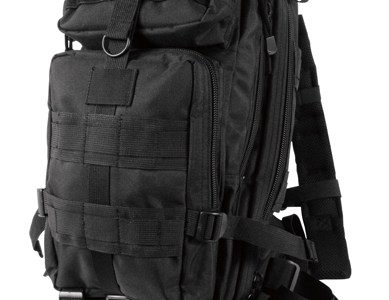
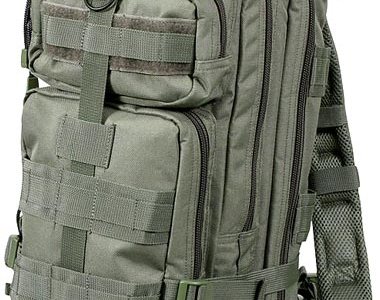
The very first thing you are going to need is a bag, but what bag should you get? Well it depends a lot on you. Can you handle a lot of weight? Are you going to carry a lot of gear? Is your goal to keep your bag as light as possible? Are you planning on using your bag in the wilderness or for short term emergencies? These are all questions that you will have to answer for yourself. I personally use a Rothco medium transport bag. I like this bag because it is very durable and has a lot of broken up compartments. By having a lot of compartments instead of one big open bag you are able to separate things and know where each thing is instead of having to unload your bag every time you want or need something. I also like this bag because it is a medium size bag. So even if I fill the bag it will not be way too heavy to carry a long distance. For people that are not able to carry a lot of weight on their back, I recommend scaling down the amount of gear you pack and use lighter weight packs made out of ripstop nylon. These bags are not as durable as heavier weight bags but you’ll have to make some calculated compromises to overcome different disabilities. I use ripstop nylon bags all the time for lightweight backpacking and they work great. The last thing I will say about bags for now is to stay away from camouflage. Get a bag that is one solid color. You don’t want to stand out in a crowd as one that is prepared or may be militarily trained. People that are starving may come searching for your food and supplies. People that are starving are willing to do whatever it takes to fill their hunger.

The next thing I recommend, is finding yourself a good quality knife. You want something that is full tang. Don’t buy a knife that has a hollow handle. Knives like these are very weak and often break right near the handle. Look around online and read reviews. There are a lot of quality knives out there. I carry a green Gerber LMF II. I love this knife and haven’t been able to find one that I like better. Mora, Condor, Blind Horse Knives, Esee, Kabar and Gerber are just a few companies that make some good knives. There are many other good quality knife makers out there so search around. You will also want a way to sharpen your knife so remember to get some sort of sharpening implement to keep with your knife or in your bag.

The next thing I recommend is a good survival kit. The one that is available at my store is the same one that I carry in my bag. It is called the Ultimate Survival Kit. Here is the link: http://armstrongsurvivalgear.com/ultimate-survival-kit/

This Survival Kit contains: an orange emergency blanket, a StarFlash mirror, a Pocket Chainsaw, a “pico” style light, 12 Industrial Revolution Stormproof Matches, a 4seasons Spark Lite with 10 Tinder-Quik fire starters, a Jetscream whistle, one of our Survival Pods (20feet of 20lb test fishing line, 2 hooks, 2 swivels and 2 weights), a pin on compass, a Gerber mini paraframe pocket knife, a Frontier Filter (water filter straw) and its all contained in an Otterbox 3000. There’s even room to fit your favorite bag of tea and a small piece of hard candy or stick of gum. This whole kit weighs less than 1.5 lbs. This kit takes care of a lot of things you would be putting into your bag anyways but now it’s all contained in a strong container that will float.

The next thing you will want to add is some sort of shelter. To save weight I use a lightweight tarp made out of silicone impregnated ripstop nylon, a piece of Tyvek for the ground cloth, titanium stakes and some 550 para cord. By using this type of shelter instead of a tent you’ll save yourself a lot of weight in your emergency bag. Another option is a hammock incorporated with a lightweight tarp. This is also a light option as well as very comfortable.

Now you want to begin to think about adding some food to your bag. Some people recommend having enough food to last 72 hours and others believe you should have more food. This all depends on your plans, your intentions for this bag, your physical needs and abilities and the types of disasters you are planning for. I can only tell you what I do. This is by no means what you have to follow strictly. I carry a 3600 calorie Mainstay food bar to use in the initial stages of an emergency. If an emergency happens you probably won’t have time to stop and cook or heat something up. This gives you 1 ½ days worth of calories that can be eaten on the go. I also have 5 days worth of Mountain House meals. That’s 15 meals all together, breakfast, lunch and dinner for 5 days. These meals are easy to prepare. Just heat up water and add to the package and allow the food to get warm. This makes for easy preparation and cleanup. I also have a bag of jerky and some tea bags as well. This way I have enough food for a week no problem without ever needing to hunt or forage. The food could also be rationed to last much longer than a week.

The last thing we will look at today is hydration. You will want some water in your bag but you will also want a way to purify water as well. If you have our Ultimate Survival Kit you will already have two ways to purify water. Using the frontier filter straw or fire to purify any water collected. I also carry an Aquamira Filter Bottle. This way I can just fill it up quick and be on my way. I also have a stainless steel cup and lid for heating up water for meals or for purification if I lose the filter bottle. I place a few bottles of water in my bag so that I have quick access to water for the first stage of an emergency.

That is where I must end for today. I hope that it was helpful and that it helps you get started putting an emergency bag, 72 hour bag or bug out bag together. Tomorrow I will give you some more ideas about what should go into your emergency bag. You don’t need to follow what I do exactly or use the brands that I use. These are just examples to help get you thinking about being better prepared for natural disasters or emergencies. Again everything is customizable to your needs and abilities. One more thing that I will leave you with; no tool or amount of gear can ever replace any survival or bushcraft skills or knowledge you may have. Well you are able to, learn and gain as many skills as you possibly can. Learn primitive ways of starting fires, making tools and making shelters. Learn how to use what’s already available in the wilderness. This will help make you less reliant on gear that might break or wear out. Do you have an emergency bag of some sort? If not, do you plan on putting one together?

Quick Tip #1

When using any type of fire starting rod, make sure to place the tip of the rod on or into the tinder that you are trying to start. Then run your striker down the rod, while keeping the rod still, instead of pulling back on the rod. This will keep the hottest sparks close to the tinder and give you a much better chance at getting the tinder lit. Hope this helps and go out and test your fire starting skills. As always do everything in a safe manner and at your own risk.

Fire Starter Tips

Not all of us want to spend our life savings on cool expensive gear, so here are some simple tips for making your own fire starters.

To start with here are some simple ideas for tinder (a very important part in being able to start a fire). Get a few cotton balls and some Vaseline or triple antibiotic ointment.  Thin out the cotton ball and then begin working in some of the ointment. Mix the two together until the cotton ball is coated well. Now just compact it and put it in a baggy or some other container until you’re ready to use it. When you’re ready to use the cotton ball fire starter just fluff it up and either light it with a match, lighter or fire steel. The cotton ball will burn much longer with the ointment on it than without. If you used triple antibiotic ointment then it can double as a first aid item as well. I love multi -purpose items!

Lint from your dryer makes a great fire starter. Even better would be to take the cardboard roll from a roll of toilet paper and stuff it full of dryer lint. Now just tape off both ends of the roll and you’re good to go. You now have a perfect lightweight fire starter log. You could also store a striker and fire steel rod inside the tube with the dryer lint. This would give you a complete fire starting kit that you could just keep in your backpack until you’re ready to use it.

Some other cheap, lightweight and simple items that you could carry are a crayon, chapstick, saw dust, candle and any piece of wax left from used candles. All of these will aid in trying to get a fire started and you can even use the crayon as a small candle. The chapstick can also be used to lubricate zippers.

You can easily make your very own fire steel rod and striker set. Fire steel rods can be purchased on eBay very easily and much cheaper than buying a pre-made kit. Order whatever size fire steel you would like, then either cut a small piece of deer antler, find a small piece of wood or wooden dowel big enough to hold onto and big enough to drill out for the fire steel rod to be glued into. Next, drill halfway into whatever material you are using for the handle using a drill bit that is the same size as your fire steel. A drill press would work easier but I have done it with a simple cordless screw gun. Now test fit the rod into the hole. If it fits perfectly you are set to glue it up. If it is to tight just ream the hole out a little bit. Not too much though. You are all set to glue the two pieces together now. You can use superglue, wood glue, gorilla glue or epoxy. Whatever you have should work fine. Put some adhesive in the hole and some on the rod and then insert the fire steel into the drilled out hole. Let it dry and now you have your very own inexpensive fire steel.

I also like to drill a small hole at the top of the handle so that I can run a 27” piece of 550 Paracord threw the hole and wear it around my neck. I also add a plastic breakaway clasp and a P-51 can opener. That way I have a striker, can opener and small blade.

These are just a few simple ideas when it comes to fire starters. Feel free to try any of these things at your own risk and let me know how you made out. Let me know if you have any questions or any of your own ideas for cheap simple fire starting material. I hope you like some of these ideas and that they get your mind thinking about what other items you may be able to repurpose or even make yourself.

Tyvek

If you are not familiar with Tyvek you need to get your hands on some. Growing up in the construction industry I’ve always had some at my disposal. It was designed and is used today as a vapor barrier for homes. If you drive by a newly constructed home that has not been sided yet, you will most likely see Tyvek wrapped around the outside of the plywood or chipboard. Tyvek is generally white and is stamped with the manufacturers’ logo. You can buy a roll of it at your local hardware store and it will last you a while. Before you go buying some, check with anybody you know that works on a construction site. They may have some they are throwing away that they may gladly give you for free. Contractors throw this stuff away all the time. I highly recommend you get your hands on some.

Tyvek can be used for many things. The nice thing about having a big roll of it is that you can cut it to fit your different or changing needs. One thing I use Tyvek for is a custom size ground cloth. It works perfectly. No more wasting money on expensive or heavy ground cloths that are going to get ruined with use. Tyvek can also be used as a temporary shelter. It does keep water out to an extent but is not completely water proof. I want to test spraying water proofing on it and see how it holds up in a down poor. I will let you know how that goes. Add some grommets and you can make a custom sized tarp. I know of one guy that made a sleeping bag bivy that looked and worked great.

Tyvek is noisy when working with it so if you are making something that you will be using in the woods, and you want it quiet, you will want to wash it first. Just run it through a cold rinse cycle once and then let it air dry. It will be much quieter and nicer to work with. I know of some people that have tried to die it after washing it once but I’m not sure how well that will work.

A Tyvek ground cloth in combination with a lightweight nylon impregnated ripstop tarp make the perfect shelter for your bug out bag or for those that like lightweight backpacking. This option is much cheaper and lighter.  It’s one I use frequently. So go buy yourself a big roll of Tyvek and make as many things as you can come up with. Have fun saving yourself a ton of money well making your own gear. Some ideas of what to make are a ground cloth, a custom size tarp, a sleeping bag bivy, a simple backpack, diddy bags and whatever else you can come up with. Enjoy and have fun. Thanks for reading and let me know what you made or came up with.